
Wind Damage on Your Roof: Signs to Look For and What to Do Next
Strong winds can loosen shingles, bend flashing, and cause hidden leaks that get worse over time. This guide shows Northeast Alabama homeowners how to spot wind damage, what to do right after a storm, how insurance usually handles it, and how a FORTIFIED Roof can protect your home from the next one.
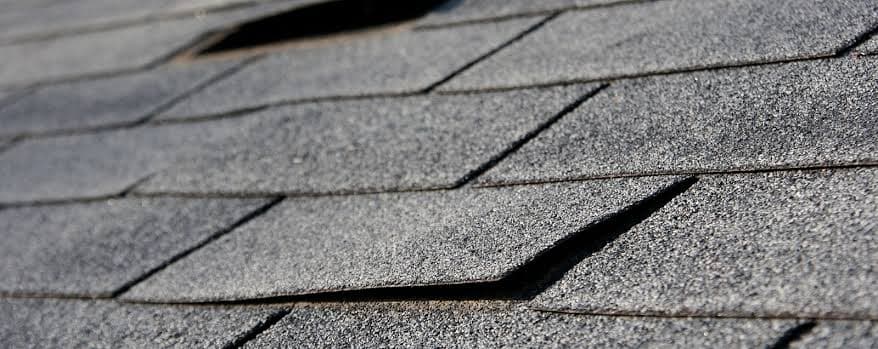
Quick answer: If high winds hit your home, stay off the roof. Look for damage from the ground, take photos of everything, cover any active leaks, and call a licensed local roofer for an inspection before you file an insurance claim. Small wind damage, like a few lifted shingles, can turn into leaks and rot within weeks if it's left alone.
In Northeast Alabama, we see it every year. Spring storms, straight-line winds, tornado warnings, and the leftover winds from Gulf hurricanes all put pressure on local roofs. After the storm passes, most people check the yard and the fence. The roof is easy to forget, and wind damage isn't always easy to see from the ground.
This guide covers what wind damage looks like, what to do right after a storm, how insurance usually handles it, and how to make your next roof stronger.
How much wind does it take to damage a roof?
Many roofs start to show damage once winds pass 45 to 50 mph, especially older roofs or roofs that weren't installed well. For reference, the National Weather Service calls a thunderstorm "severe" at 58 mph winds, so a single bad storm can be enough.
Wind doesn't just push on a roof. It pulls. As wind moves over your home, it creates lift, the same way air lifts an airplane wing. That lift is strongest at the edges, corners, and ridge of the roof, which is why damage usually starts there.
Once wind breaks the seal under a shingle, that shingle can flap, crease, and tear off. Each missing shingle gives the next gust something to grab. As the Insurance Institute for Business & Home Safety (IBHS) puts it, roof damage often begins when wind gets under the roof edge and starts peeling it back.
Roofs most at risk:
Roofs more than 15 to 20 years old, where the adhesive strips have worn out
Roofs with poor nailing or skipped steps during installation
Roofs that already have a few loose or missing shingles
Homes with large trees hanging over the roofline
What does wind damage look like on a roof?
The most common signs are missing shingles, lifted or creased shingles, loose flashing, and shingle granules piling up in your gutters. Some signs show up outside right away. Others show up inside days or weeks later.
Signs you can spot from the ground
Missing shingles. Look for bare patches on the roof or shingles in the yard. You may see the dark underlayment or bare wood showing.
Lifted, curled, or creased shingles. A shingle can stay attached but have its seal broken. A straight crease line near the top of a shingle is a classic sign it was folded back by wind.
Loose or bent flashing. Flashing is the metal around chimneys, vents, and walls. If it's bent, lifted, or hanging, water can get in.
Damaged vents, ridge caps, or drip edge. These sit at the high-wind spots and often take the first hit.
Granules in gutters and downspouts. A lot of sandy grit after a storm means your shingles lost some of their protective coating.
Gutters pulled away from the house. Bent or sagging gutters can send water back under the roof edge.
Branches or debris on the roof. Impacts can crack shingles or puncture the roof even if nothing looks missing.
A pair of binoculars helps a lot here. Walk all four sides of the house and look closely at the edges and corners.
Signs inside your home
Brown or yellow water stains on ceilings or upper walls
Damp or matted insulation in the attic
Daylight coming through the roof boards
A musty smell or new mold in the attic
Peeling paint or bubbling drywall near the ceiling
If you see any of these after a windstorm, call a roofer soon. A slow leak can rot the roof deck, damage wiring, and invite mold long before it shows up as a drip.
What to do after wind damages your roof: 7 steps
Stay safe first. Don't climb on the roof. It may be slick, weak, or covered in debris. Stay clear of downed power lines and call the power company if you see any.
Check from the ground. Walk around the house and look at the roof edges, corners, ridge, flashing, and gutters. Then check the attic and ceilings for water.
Take photos and video of everything. Get wide shots and close-ups of the roof, shingles in the yard, fallen limbs, and any inside water damage. Note the date and time of the storm.
Prevent more damage. Put buckets under leaks and move valuables away. If shingles are missing and more rain is coming, have a roofer tarp the roof. Most insurance policies expect you to take reasonable steps to stop further damage, so keep receipts.
Call a licensed local roofer for an inspection. A trained inspector can find broken seals, creased shingles, and deck damage you can't see from the ground. Their written report and photos also help support a claim.
Contact your insurance company. If the inspection shows storm damage, file your claim promptly. Many policies have deadlines for reporting damage, so check yours.
Be careful with storm chasers. After big storms, out-of-town crews knock on doors. Choose a roofer with a local address, a track record in your community, and proof of insurance. Never sign a contract on the spot.
Need help with the claim? Our guide to the Evergreen insurance claims process walks through each step. (Web team: link to the claims process blog here.)
Does homeowners insurance cover wind damage to a roof?
In most cases, yes. Standard homeowners policies (like HO-3 and HO-5) usually cover roof damage caused by windstorms, plus interior water damage that results from it. Coverage still depends on your policy, your deductible, and the age and condition of your roof.
A few things to know before you file:
Wind and hail deductibles. Some policies have a separate deductible for wind or hail, often a percentage of your home's insured value instead of a flat dollar amount.
Storm damage vs. wear and tear. Insurance pays for sudden damage from a storm, not for a roof that wore out over time. A roofer's inspection report helps show the difference.
Actual cash value vs. replacement cost. Some policies pay what the old roof was worth (after depreciation). Others pay what it costs to replace it. Check which one you have.
Condos and renters. A condo owner's policy usually covers inside damage, while the HOA covers the roof. Renters insurance covers belongings, not the roof.
Every policy is different, so call your agent if you aren't sure what yours covers.
Should you repair or replace a wind-damaged roof?
If the damage is limited to a small area and the rest of the roof is in good shape, a repair is often enough. If the damage is spread out, the roof deck is exposed, or the roof is near the end of its life, replacement usually makes more sense.
Repair if: A few missing or lifted shingles, roof under 15 years old – Repair.
Repair if: Damaged flashing, vents, or ridge caps only
Replacement may be needed if: Damage across several slopes or large sections
Replacement may be needed if: Exposed or soft roof decking, leaks in multiple rooms
Replacement often makes sense: Older roof with worn shingles plus new storm damage
A good repair follows the shingle maker's instructions so the patched area holds up to wind as well as the rest of the roof. That means matching materials, proper nailing, and resealing the shingles around it.
Replacing? Ask about a FORTIFIED Roof
If you need a new roof, it's worth asking about a FORTIFIED Roof. FORTIFIED is a construction standard from IBHS that goes beyond building code to keep the roof on and the water out during high winds. It includes:
Ring-shank nails in a tighter pattern to hold the roof deck down. IBHS testing shows this can double the wind uplift a roof can handle.
A sealed roof deck, so if shingles blow off, water can't pour through the seams. IBHS says this cuts water coming in by up to 95%.
Locked-down edges, using a stronger drip edge and sealed starter strips where wind damage usually starts.
Wind-rated shingles and vents that meet tested high-wind standards.
Alabama is a national leader here. State law requires insurance companies to offer premium discounts for homes with a FORTIFIED designation. The state's Strengthen Alabama Homes program has also offered grants of up to $10,000 to help homeowners upgrade to a FORTIFIED Roof. Grant availability and eligible counties change, so check strengthenalabamahomes.com for current status.
(Evergreen: confirm whether we are a FORTIFIED-certified roofer before publishing. If yes, add a sentence here saying so.)
How to prevent wind damage to your roof
You can't stop the wind, but you can make your roof much harder for it to grab.
Get a roof inspection once a year and after major storms. Catching one loose shingle is cheaper than fixing the leak it causes.
Trim trees near the house. Overhanging limbs become projectiles in a storm.
Secure outdoor items. Patio furniture, grills, and trampolines can be thrown into your roof.
Keep gutters clean and attached. Clogged or loose gutters let water back up under the roof edge.
Choose wind-rated shingles when you replace. Look for shingles rated ASTM D3161 Class F (110 mph) or ASTM D7158 Class H (150 mph).
Hire a roofer who installs to the manufacturer's specs. Even the best shingles fail if the nailing or starter strips are wrong. Proper installation also protects your manufacturer warranty.
Frequently asked questions about roof wind damage
What does wind damage look like on a roof?
Wind damage usually looks like missing shingles, lifted or creased shingles, bent flashing, damaged ridge caps or vents, and granules in the gutters. Inside, look for water stains on ceilings and damp insulation in the attic.
How fast should I get my roof inspected after a windstorm?
As soon as you safely can, ideally within a few days. Broken shingle seals can let water in during the next rain, and a quick inspection also helps you meet your insurance company's reporting timeline.
Can I inspect my roof for wind damage myself?
It's best to let professional roofer safely check for damage you can't see from below. This is at no cost to you and completely free.
Are a few missing shingles a big deal?
Yes. Missing shingles expose the underlayment and roof deck to rain. Wind also gets under the shingles next to the gap, so a small problem can spread with the next storm.
Will homeowners insurance pay for wind damage to my roof?
Most standard homeowners policies cover sudden wind damage, but not normal wear and tear. Your deductible, policy type, and roof age all affect what gets paid.
What is a FORTIFIED Roof?
A FORTIFIED Roof is built to an IBHS standard that adds stronger nailing, a sealed roof deck, and locked-down edges. In Alabama, homes with a FORTIFIED designation can qualify for insurance discounts.
How do I avoid storm chaser roofing scams?
Hire a licensed, insured roofer with a local address and local reviews. Don't pay large amounts upfront, and don't sign anything the same day someone knocks on your door.
Wind damage in Alabama? Evergreen Roofing can help.
Evergreen Roofing is a family-owned residential and commercial roofer serving Northeast Alabama. After a storm, we'll inspect your roof, document any wind damage with photos, and give you an honest answer on whether you need a repair, a replacement, or nothing at all. If you're filing a claim, we'll walk you through the insurance process from start to finish.
We live here too. We're not a crew that leaves town when the storm season ends.
Schedule your roof inspection today. Call [phone number] or visit evergreenroofing.co to request an inspection.
Rooted in faith. Committed to excellence.
Got a roof question, or need an estimate?